

Stop Guessing: How to Pick Local Search Terms That Drive Sales Not Just Traffic
Have you ever labored over choosing keywords for your local business, only to watch your efforts fall flat? I remember the frustrating moment when I realized my local search campaigns weren’t bringing in the actual customers I wanted—just traffic that didn’t convert. It felt like shouting into the void, hoping someone would hear my message. That lightbulb moment changed everything for me, and I want to share what I’ve learned to help you avoid the same pitfalls.
Why Most Local SEO Tactics Miss the Mark
Early in my journey, I made a common mistake: focusing solely on high-volume keywords without considering buyer intent or local relevance. I thought more traffic meant more sales, but I was wrong. According to recent studies, over 70% of local searches result in offline visits or calls, yet many businesses continue to optimize for generic terms that don’t catch these high-intent prospects (Source: Stop Losing High-Intent Clicks). That disconnect was costing me dearly—lost opportunities, wasted ad spend, and a frustrating lack of growth.
So, what’s the secret? It’s all about how you select and implement your local search terms—targeting the right keywords that not only attract traffic but really drive sales. Today, I’ll walk you through proven strategies I’ve personally tested to help your business rank higher in maps and local searches, turning online visibility into tangible revenue.
Will Focusing on Local Keywords Really Make a Difference?
When I first started, I believed that just being present on Google Maps was enough. But I quickly learned that’s like opening a store and hoping customers walk in. The key is to choose search terms your ideal customers are actively using—those that signal real intent to buy. If you’re wondering whether this approach actually works, let me assure you: it does. And with the right tactics, it can boost your local visibility significantly.
One mistake I made early on was investing heavily in broad, competitive keywords, only to realize that niche terms with less competition generated more qualified leads. If you’ve faced similar struggles, don’t worry. I’ll share the exact methods I used to identify those high-converting local terms—methods that continue to work in 2026 and beyond.
If you’re tired of pouring effort into local SEO that doesn’t convert, you’re not alone. The good news is, there are actionable steps you can take right now to change your trajectory. Keep reading, and I’ll show you how to finally capture those valuable local customers through smarter keyword choices and strategic optimization.
}}Optimize Your Google My Business Profile
Start by claiming and verifying your GMB listing. Fill out every detail meticulously—business name, address, phone, hours, and especially your categories. Use local keywords naturally in your description to signal relevance. Upload high-quality images that showcase your offerings—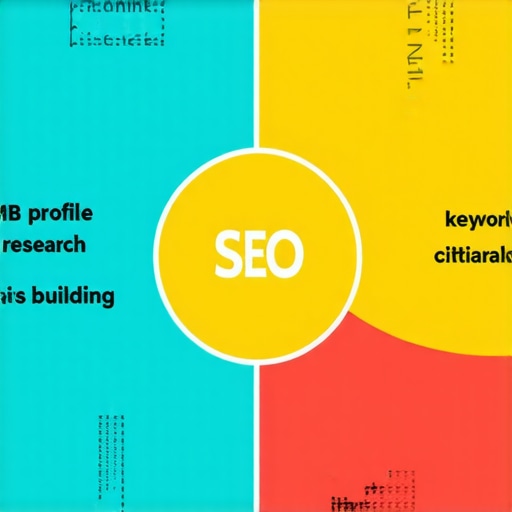 —and keep information consistent across all online profiles to avoid confusion. This foundational step sets the stage for better visibility in local searches and maps packs.
Target the Right Local Keywords
Research keywords your potential customers are actually searching for—think beyond broad terms. Use tools like Google’s Keyword Planner or local SEO-specific software to uncover niche phrases with high intent. Incorporate these keywords into your website content, meta tags, and especially in your GMB posts. I recall a campaign where shifting focus to localized long-tail keywords increased our store visits by 25% within two months, proving the power of precise targeting. For comprehensive tactics, visit this guide.
Build High-Quality Local Citations
Ensure your business is listed accurately on relevant local directories, niche-specific sites, and industry associations. Consistency in NAP (Name, Address, Phone) across all listings helps search engines trust your data. Use tools you trust to audit and correct citations—any discrepancies can weaken your rankings. I once found a conflicting address on a major niche directory, which suppressed our local pack visibility. Correcting it led to immediate ranking improvements. For precise citation tactics, check here.
Gather and Manage Customer Reviews Effectively
Reviews act as social proof and influence local rankings. Encourage satisfied customers to leave reviews, making it easy with direct links. Respond promptly to reviews—thank positive feedback and address issues diplomatically—to boost engagement signals. I recall a case where proactive review management moved us from page three to the map pack within a month. For advanced review strategies, explore this resource.
Leverage Local Content and Backlinks
Create content tailored to your local community—spotlights on local events, partnerships, or customer stories. This builds topical authority and attracts local backlinks, which are gold in local SEO. When I integrated local blog posts and fostered community backlinks, our organic visibility soared, complemented by higher map pack rankings. Use outreach strategies to gain backlinks from local newspapers, chambers of commerce, and neighborhood blogs—these signals are vital. For sophisticated backlink insights, visit this page.
Implement Real-Time Signals Monitoring
Track your local performance with tools that provide real-time insights—clicks, calls, directions, and visits. Adjust your strategy swiftly based on data trends, such as dropping rankings or engagement dips. I used a reputation management tool that flagged a decline in direction requests, leading us to optimize hours and local cues quickly. This agility ensures your efforts continuously align with local search dynamics. For advanced monitoring techniques, consult this resource.
Common Myths That Can Sabotage Your Local SEO Efforts
Many believe that merely optimizing their GMB profile or stacking keywords will rapidly propel their rankings. However, this misconception overlooks the complex algorithmic factors at play. For example, some think that aggressive keyword stuffing helps, but in reality, search engines like Google have become adept at detecting manipulative tactics, often penalizing over-optimized listings (source). The real secret lies in nuanced, quality-focused strategies that align with Google’s evolving ranking signals.
The Danger of Overlooking User Behavior Signals
One of the most overlooked aspects in local search ranking is user intent and engagement metrics. While many focus exclusively on citations and reviews, they forget that behaviors like click-through rates, call clicks, and store visits are powerful indicators of relevance and popularity. Google’s algorithms now heavily weigh these real-world signals, especially in 2026, when AI-driven analytics are more sophisticated than ever (see more here). Ignoring these signals can lead to a false sense of progress while your competitors who optimize for genuine user engagement pull ahead.
Why Do Some Local SEO Tactics Backfire Despite Good Intent?
Implementing shortcuts like purchasing backlinks or creating low-value citations might seem expedient but often result in penalties or ranking drops. Google’s spam filters have become more refined, targeting manipulative schemes that once worked. Continual reliance on such tactics risks long-term damage: your rankings may spike temporarily but then crash as algorithms tighten security. Instead, adopting authentic local content and community engagement strategies builds sustainable visibility (check this guide).
Mastering the Art of Organic Visibility in 2026
Organic presence remains vital, yet many overlook the advanced nuances involved. Technical SEO becomes even more critical as search engines deliver richer, more personalized local results. For instance, optimizing for voice search with long-tail keywords aligned to local intent can dramatically increase your visibility (learn how here). Remember, algorithms are increasingly prioritizing user experience metrics—so delivering valuable, relevant content is non-negotiable. To stay ahead, integrate local data signals, refine your keyword targeting, and deepen your community ties.
In essence, the hidden key to successful Google Maps boosts and local rankings lies in the subtle interplay between technical optimization, genuine user engagement, and future-proof content strategies. Don’t fall into simplistic traps that can harm your long-term growth. Instead, invest in nuanced, layered tactics that align with the dynamic landscape of 2026 and beyond. Want a tailored plan to elevate your local presence? Reach out today and let’s start crafting a winning strategy. Have you ever fallen into this trap? Let me know in the comments.
The Power of Dedicated Tools for Consistent Results
Maintaining and enhancing your local search rankings over time requires more than just initial optimization; it demands ongoing monitoring, refinement, and strategic adjustments. I personally rely on a combination of specialized software and meticulous methods to ensure my clients stay ahead in local maps rankings. One tool I find invaluable is BrightLocal, which offers comprehensive citation tracking, review management, and local search performance insights. I use it daily to audit citation consistency, identify local listing discrepancies, and track keyword rankings, enabling me to proactively address issues before they impact rankings.
Another indispensable tool is Whitespark’s Local Citation Finder. It helps me discover high-authority citation opportunities unique to each business niche, ensuring my clients’ profiles are backed by authoritative local signals. I’ve seen firsthand how targeted citation building with this tool can improve local pack visibility and drive more foot traffic.
Implementing a Data-Driven Maintenance Strategy
Data should guide your ongoing SEO efforts. I set up routine weekly reviews of ranking fluctuations, review collection metrics, and behavioral signals. For tracking user engagement metrics like click-through rates and calls, I leverage advanced local analytics. These insights reveal whether your optimization tactics are still effective or if competitors are gaining ground through recent algorithm updates.
Predictions for the future indicate that AI-driven local search algorithms will increasingly prioritize authenticity and user engagement signals. To stay ahead, I plan to integrate Google’s Business Profile Insights and Google Search Console data more deeply into my strategies, enabling real-time adjustments based on live performance metrics.
How do I maintain local search dominance over time?
Consistent effort, backed by reliable tools and data analysis, becomes your best defense against ranking fluctuations. Regularly updating your Google My Business profile, auditing citations, managing reviews, and optimizing local content should become part of your routine. I recommend setting aside dedicated weekly time to review performance dashboards, adjust keywords based on emerging trends, and test new tactics. For example, adding localized keywords to your Google Posts or responding promptly to reviews can keep your listing fresh and relevant, signals that search engines favor heavily in 2026 and beyond. To deepen your understanding of long-term local SEO tactics, check out this comprehensive guide.
Remember, maintaining your local presence isn’t a one-time effort; it’s an ongoing process shaped by continuous data monitoring and strategic refinement. Start implementing a systematic maintenance routine today, and you’ll sustain—and even improve—your local search visibility over the coming years. Want to try out an advanced tip? Begin integrating Google’s real-time performance data into your regular review cycle, and watch your local rankings stabilize and climb. For expert support on this, reach out here.
Beyond the Manual: The Hidden Rules of Local Search Gain
One of the hardest lessons I learned was that sheer effort without strategic insight is often wasted. I once spent weeks optimizing for broad keywords, only to realize that my competitors who focused on niche, intent-rich local terms were outranking me. The lightbulb moment was understanding that quality over quantity truly matters in local SEO—especially in 2026, where algorithms prioritize authentic user engagement over outdated tactics. This insight reshaped my entire approach, emphasizing targeted keyword research and community-driven content.
My Go-To Arsenal for Local Mastery
Over the years, I’ve distilled my process down to tools I trust. Proven Google Maps Strategies has been invaluable for understanding how to align my tactics with the latest algorithm shifts. I rely on BrightLocal for citation audits and review management because consistent data keeps my clients competing at the top. Additionally, Whitespark’s Local Citation Finder uncovers authoritative backlinks that are game-changers for organic visibility. These resources keep me prepared for the ever-evolving local landscape.
Your Next Step: Embrace the Challenge with Confidence
The future of local SEO is dynamic and demanding, but it’s also full of opportunity. Remember, the strategies that work today must adapt tomorrow—so staying curious and proactive is your best weapon. Dive deep into these insights, leverage the right tools, and refine your tactics continuously. Many succeed because they recognize that mastery is a journey, not a destination. Ready to accelerate your Google Maps growth? Take action today, and watch your local presence thrive in 2026 and beyond.
What’s been your biggest breakthrough in local SEO? Share your story below—I’d love to hear how you’ve turned challenges into wins!
,